
Transform the way you lead.
Get the Active Manager book. Unlock practical strategies to lead teams effectively, get back 5+ hours a week, and level up your leadership.

Jen Hamilton on why an apology only lands once the other person feels heard, and how a promise for something new is what actually rebuilds trust.
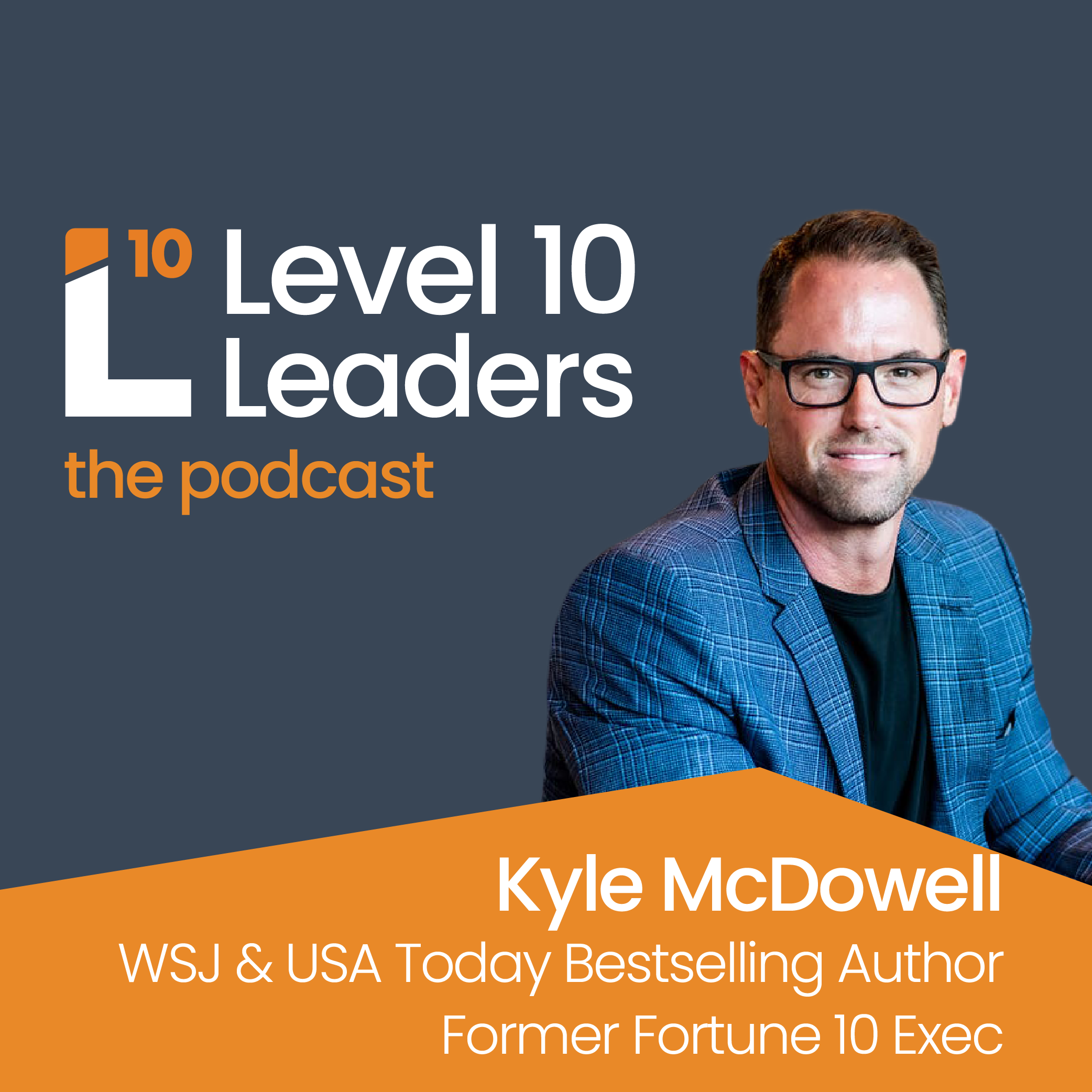
Kyle McDowell, author of the bestselling Begin With WE and a thirty year corporate leader, joins Ryan Castle to reveal why values on the wall change nothing, how ten observable behaviours reset a culture, and what it takes to set, model and hold the standard.
Gretchen Heinen on why founders who skip the legal groundwork stall later, and how an early cap table decision let her build without hitting a ceiling.
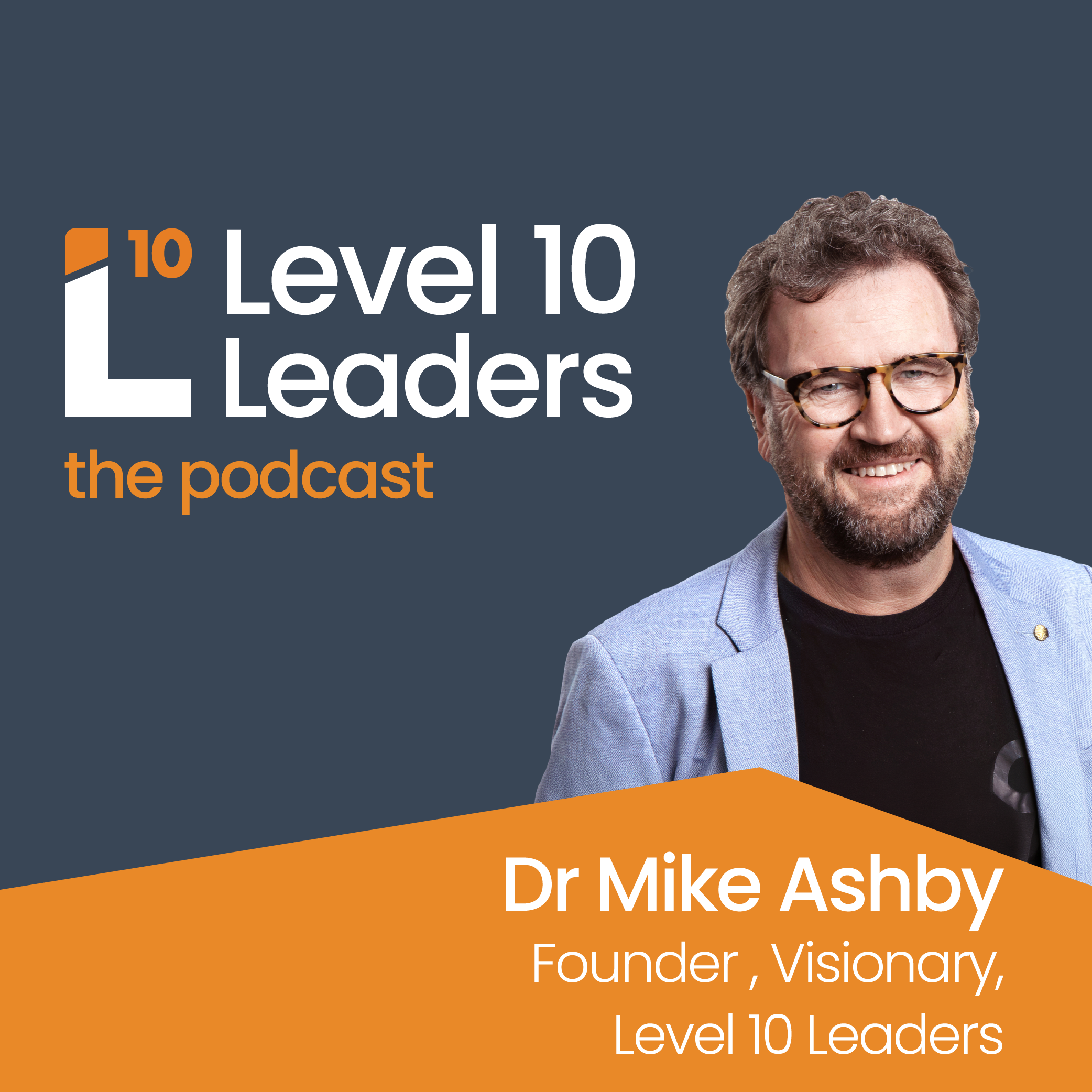
Mike Ashby, founder of Level 10 Leaders, shares why AI coaching stalls in the content layer of the 10/20/70 model, what the great training robbery really costs organisations, and how Dr Mike AI supplements human coaching instead of replacing it.
Technical competency is eligibility for a role. Behavioural competency is suitability. Alex Franklin on why leaders keep confusing the two.
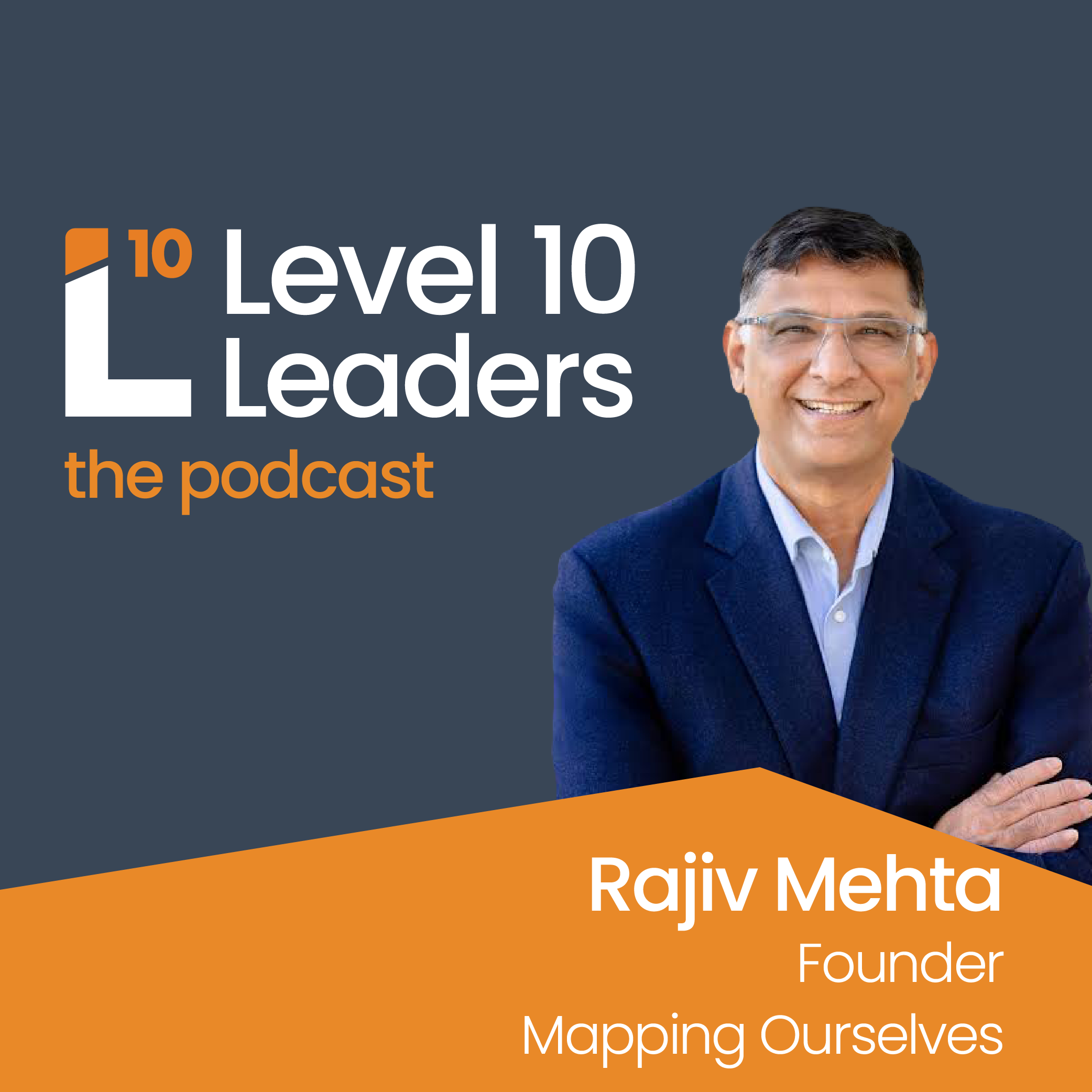
Rajiv Mehta, the NASA and Apple engineer who spent 20 years studying how people care for each other, joins Ryan Castle to reveal why relationships come before results, how simple paper and pencil tools build camaraderie in distributed teams, and why self-discovery beats being told what to fix.
Kenny Cao of Cultivator Co on why a packed calendar signals a design problem, and how the escalation ratio reveals which decisions to hand over.
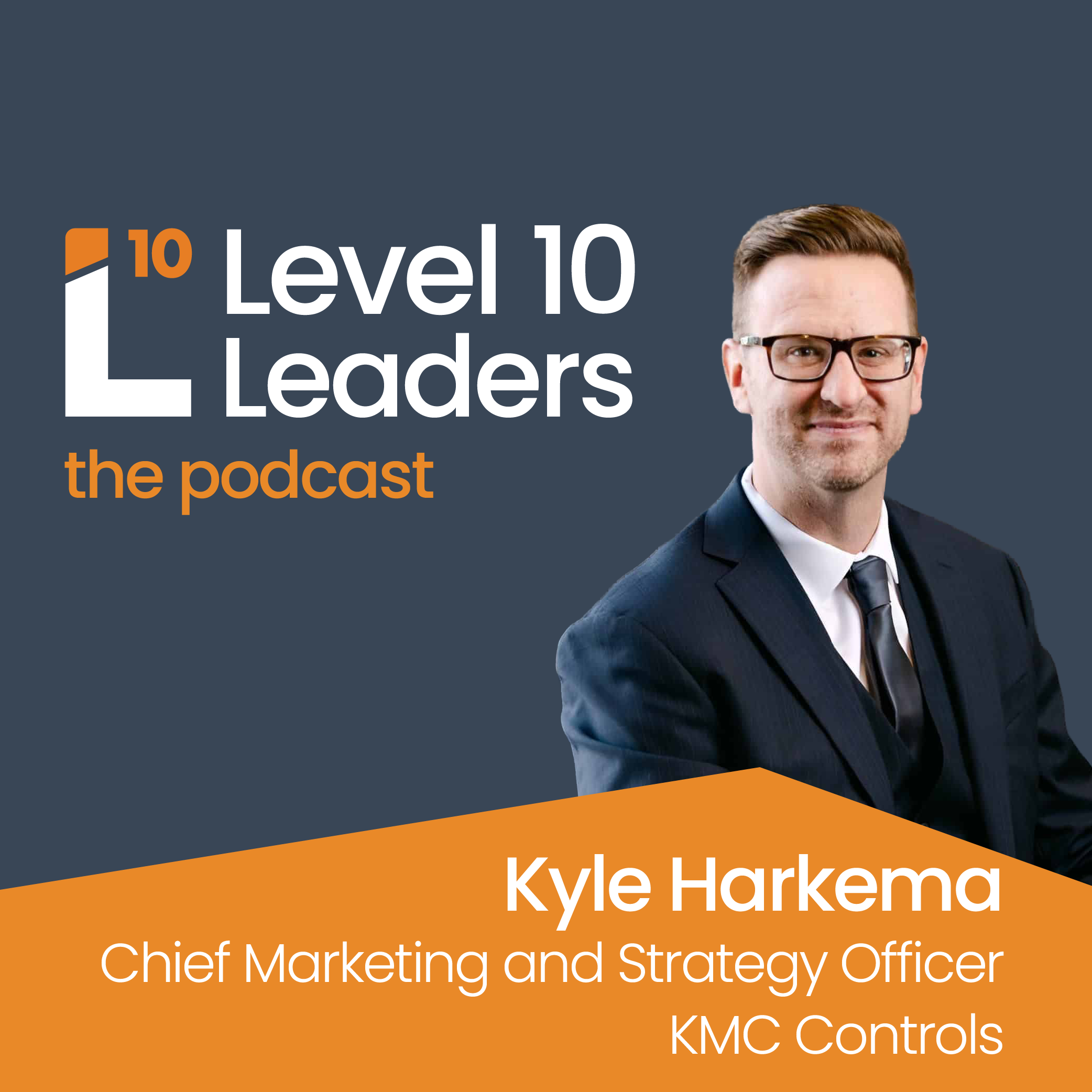
Kyle Harkema, Chief Marketing and Strategy Officer at KMC Controls and author of Strategic Clarity, joins Ryan Castle to reveal why organisations execute behaviour, not strategy, how leaders create clarity over certainty, and how decision frameworks turn strategic plans into daily action.
Developing your team isn't one size fits all. In this Level 10 Leaders Power Tip, Dr Mike Ashby explains where to focus your energy for team growth, giving stars autonomy, limiting drag from the bottom 20%, and moving the middle, plus how to adapt to each stage of the growth S-curve.
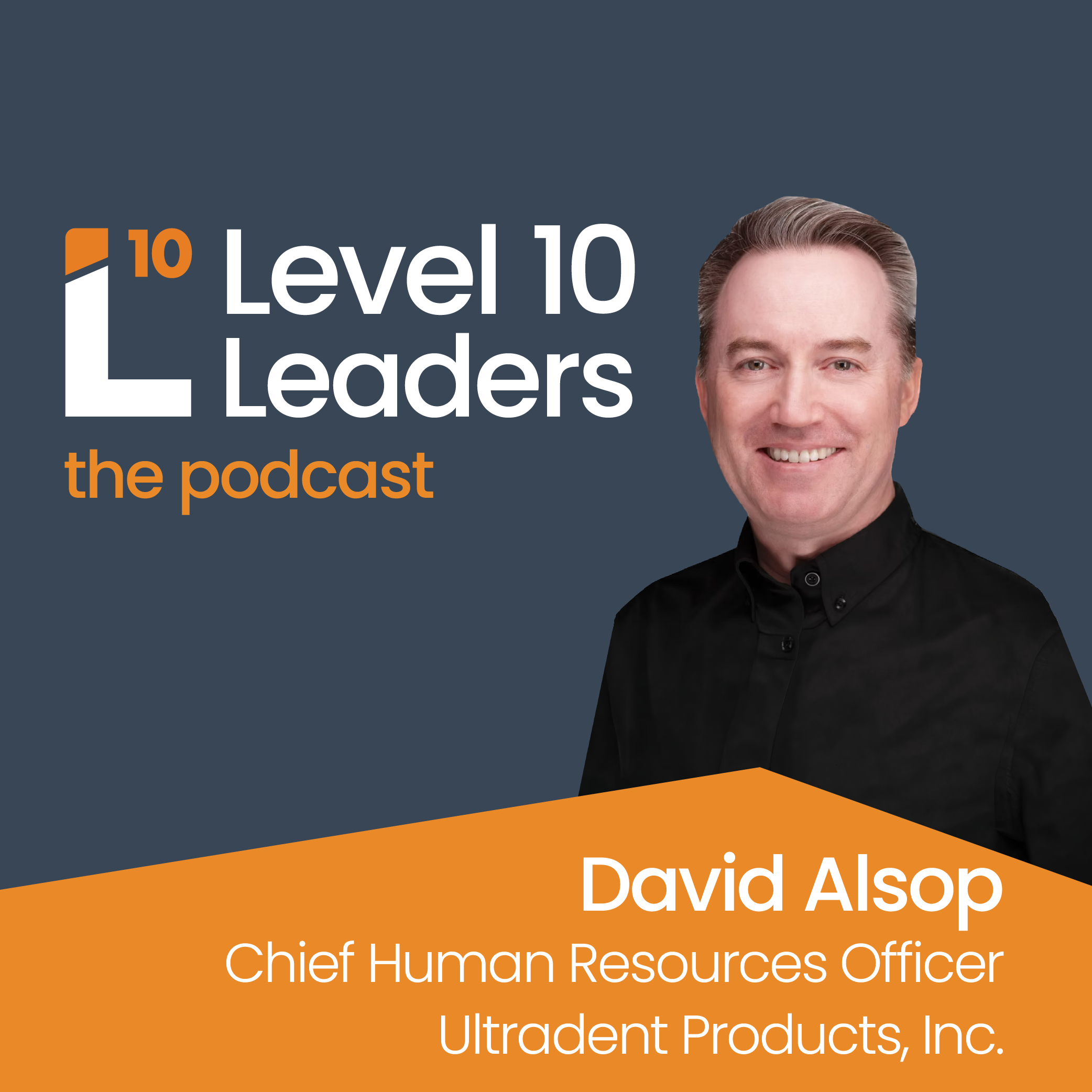
David Alsop, CHRO at Ultradent Products, shares how to align HR strategy with business outcomes, build a total wellness proposition, and create the conditions where people and results thrive together.
Automation doesn't fix broken processes, it amplifies them. In this Level 10 Leaders Power Tip, Sara Reece of Workmind explains why understanding how work really gets done has to come before any decision to automate, and how humility on the frontline leads to smarter, leaner workflows.
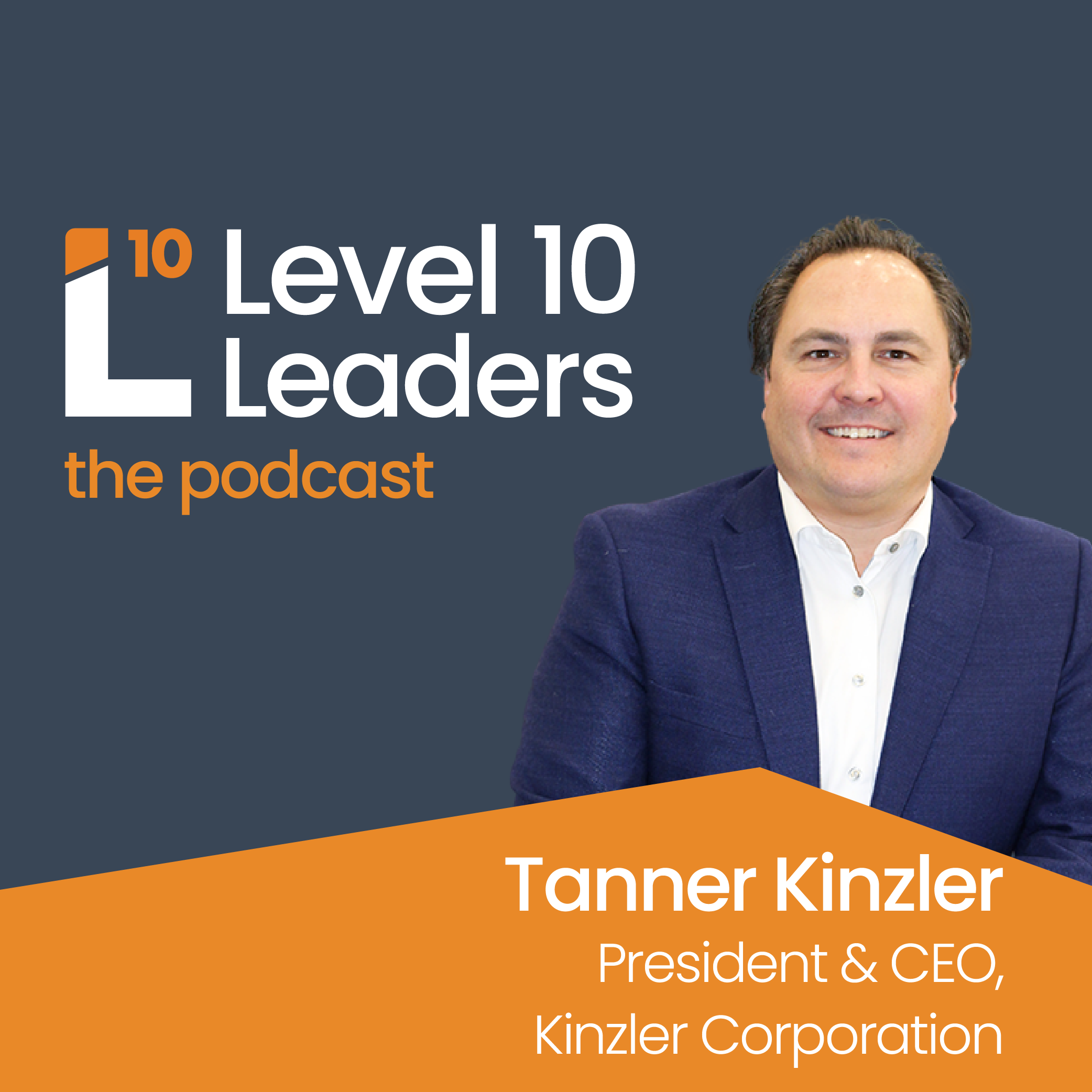
Tanner Kinzler shares three leadership principles that built a multi-generational business: structure for alignment, ask for help generously, and always play the long game.
In this Level 10 Leaders Power Tip, Adam Law shares a simple but effective approach to managing your issues list before and during your Level 10 meeting.
Mike Ashby joins Ryan Castle to reveal why most businesses don't have a strategy problem, they have a consistency problem. Learn the vital few daily habits that separate high-performing organisations from the rest.
Nonprofit leader Jessica Sanchez shares how to escape burnout by shifting from survival-based to systems-based leadership. Learn why structure, boundaries, and delegation are the keys to sustainable community impact.
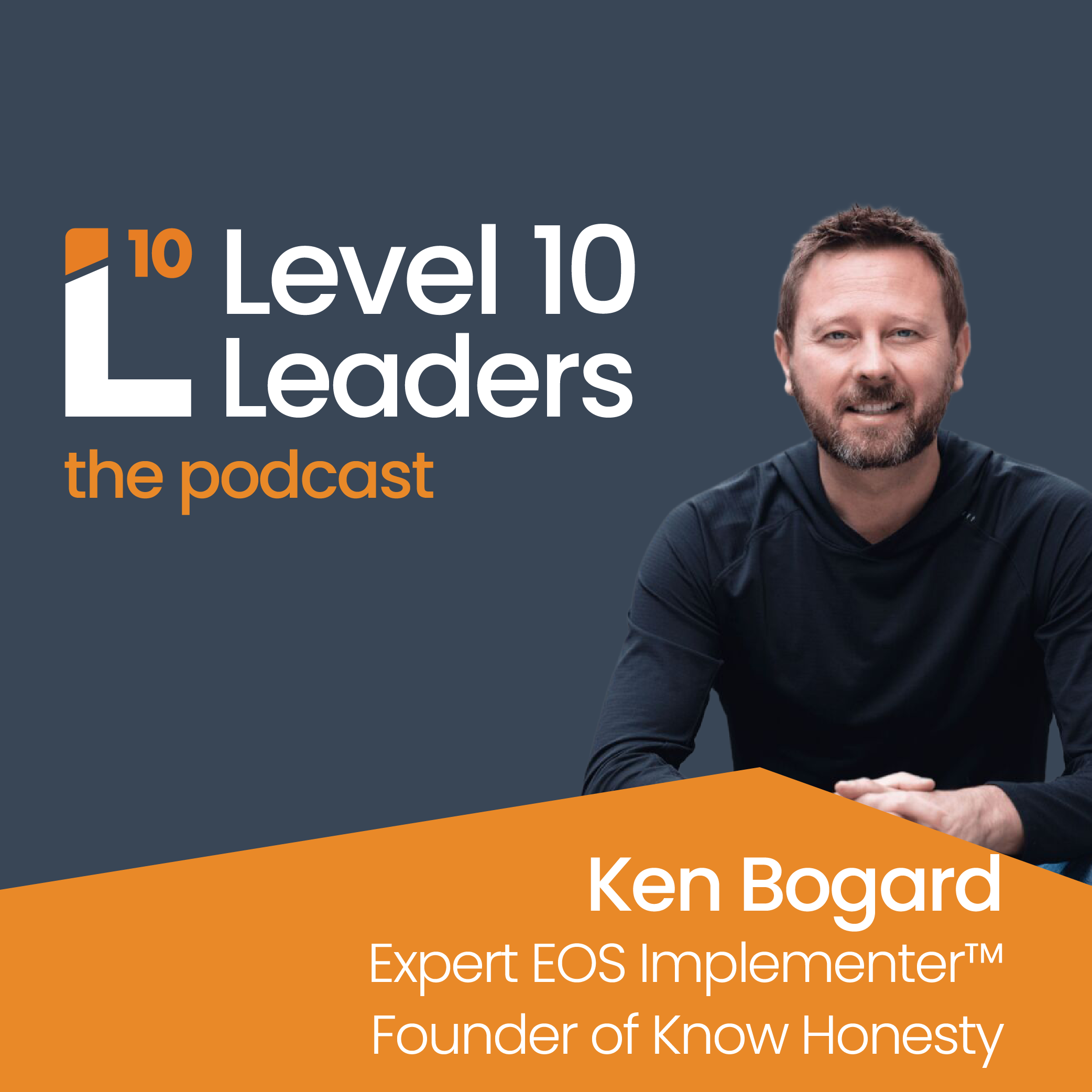
EOS implementer Ken Bogard reveals why honesty and openness are two different things, and why most leadership teams are only doing half. A must-listen for CEOs and leaders serious about performance.
EOS implementer Justin Maust shares three powerful uphill mindsets every leader needs: success loves discipline, whatever you tolerate you endorse, and the speed of vulnerability determines the speed of breakthrough. Apply all three to break through ceilings faster in life, team, and business.
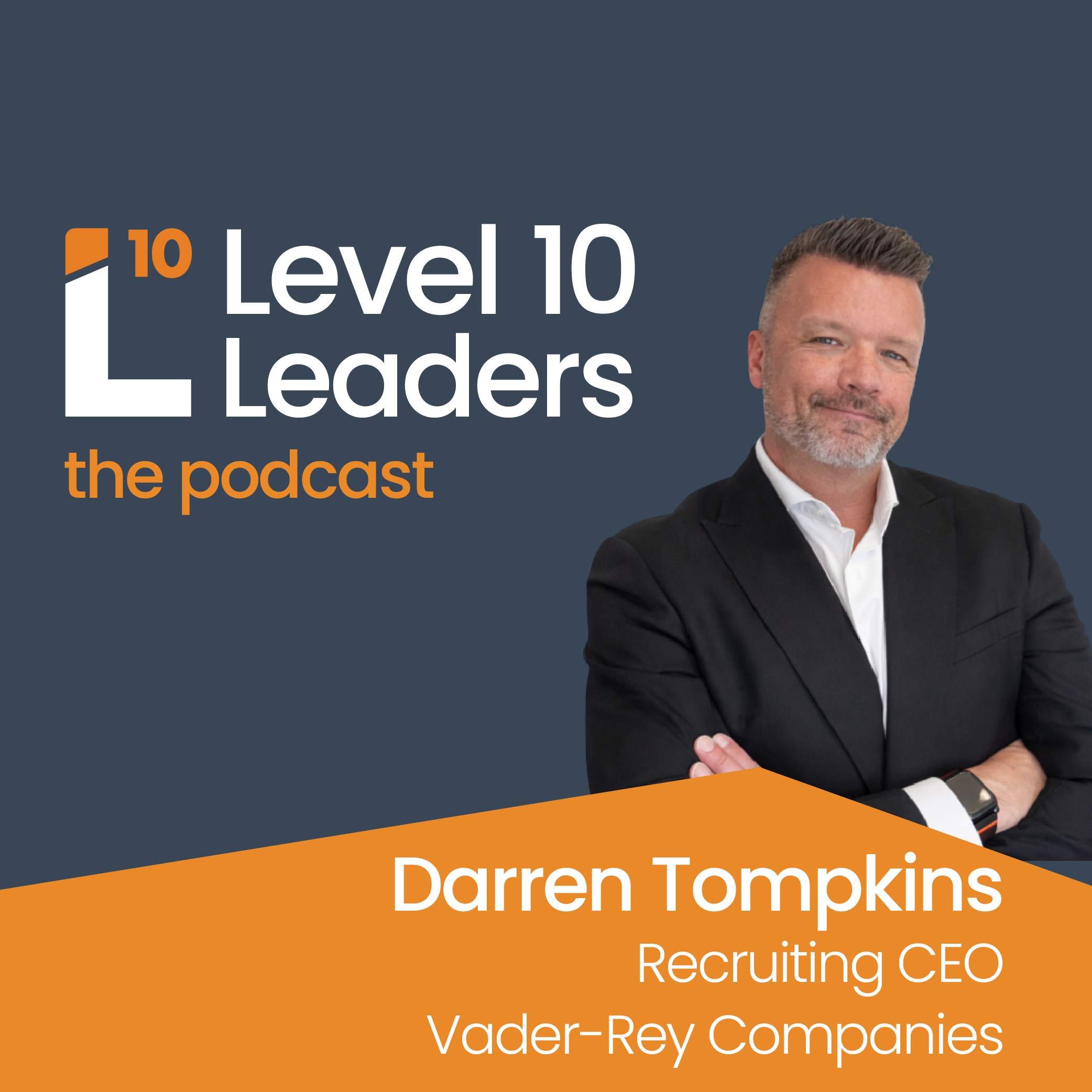
Recruiter Darren Tompkins reveals what really stops technical professionals landing leadership roles, and it's not qualifications. Learn how to read culture, reclaim your time, and maximise your career value.
Learn how to bring core values to life in your EOS® meetings. Adam Law shares a simple leadership tactic using headlines to recognize behaviors, strengthen culture, and turn values into everyday actions.
Most businesses don’t fail on strategy, they fail on execution. Discover how to align teams, improve accountability, and turn plans into results. Learn practical leadership tools to close the gap and scale your business faster.
Learn how to apply GWC (Get It, Want It, Capacity) the right way and why trusting your intuition is critical. Ruth Uribes shares how spotting red flags early helps protect culture, build trust, and ensure the right people are in the right seats.
Learn the key drivers of business growth with Mark Stanley. Discover why profit matters more than revenue, how to understand your market, and why speed creates competitive advantage for entrepreneurs and leadership teams.
Sid Jashnani explains how weekly micro-training inside Level 10 meetings helps teams achieve process mastery. By dedicating just 10 minutes to training processes, leaders improve accountability, strengthen team alignment, and build the consistency needed to scale their business.
Rachel Downey shares powerful leadership insights on EOS, entrepreneurship, and trusting your inner voice. Learn how to overcome loneliness, build stronger teams, and invest in yourself to grow as a leader.
In this Level 10 Leaders Power Tip, EOS Implementer Tonya Petrozzi shares a simple mindset shift to strengthen accountability in leadership teams. Learn how reframing “I didn’t have time” to “I chose to…” creates clarity, ownership, and real traction.
Most engineers are promoted into leadership because of their technical expertise, yet many struggle when the job shifts from solving problems to leading people. Ron Higgs shares practical leadership lessons for technical professionals, including how to build real relationships, stay curious, and lead teams effectively when things don’t go according to plan.
Kyle Danner explains why every high performing team needs two things: psychological safety and a sense that they matter.
Most strategic plans fail, not because the strategy is wrong, but because execution breaks down in the daily workflow. In this episode, Mike Ashby of Level 10 Leaders explains why execution drift happens, the hidden cost of inertia, and how managers can build the daily habits that turn quarterly goals into real results.
Linda van Egmond explains why real delegation starts with micromanagement. Learn a practical, step-by-step approach to delegation that helps leaders scale without burnout or bottlenecks.
EOS® Implementer Ken DeWitt shares hard leadership lessons on accountability, managing yourself, and leading others. Practical insights for business owners who want fewer fires and better results.
Level 10 Leaders podcast
If you run on EOS®, work with EOS® clients, or lead a fast-growing team, you’ll get field-tested tactics, practical tools and real stories to get to 100% strong. Every episode I break down the systems, habits, and shifts top EOS® leaders use to crush their growth goals and hit Level 10 success.
Leadership insights and articles
A collection of thought-provoking leadership blogs exploring trends, challenges, and practical steps leaders can use to lift their impact.
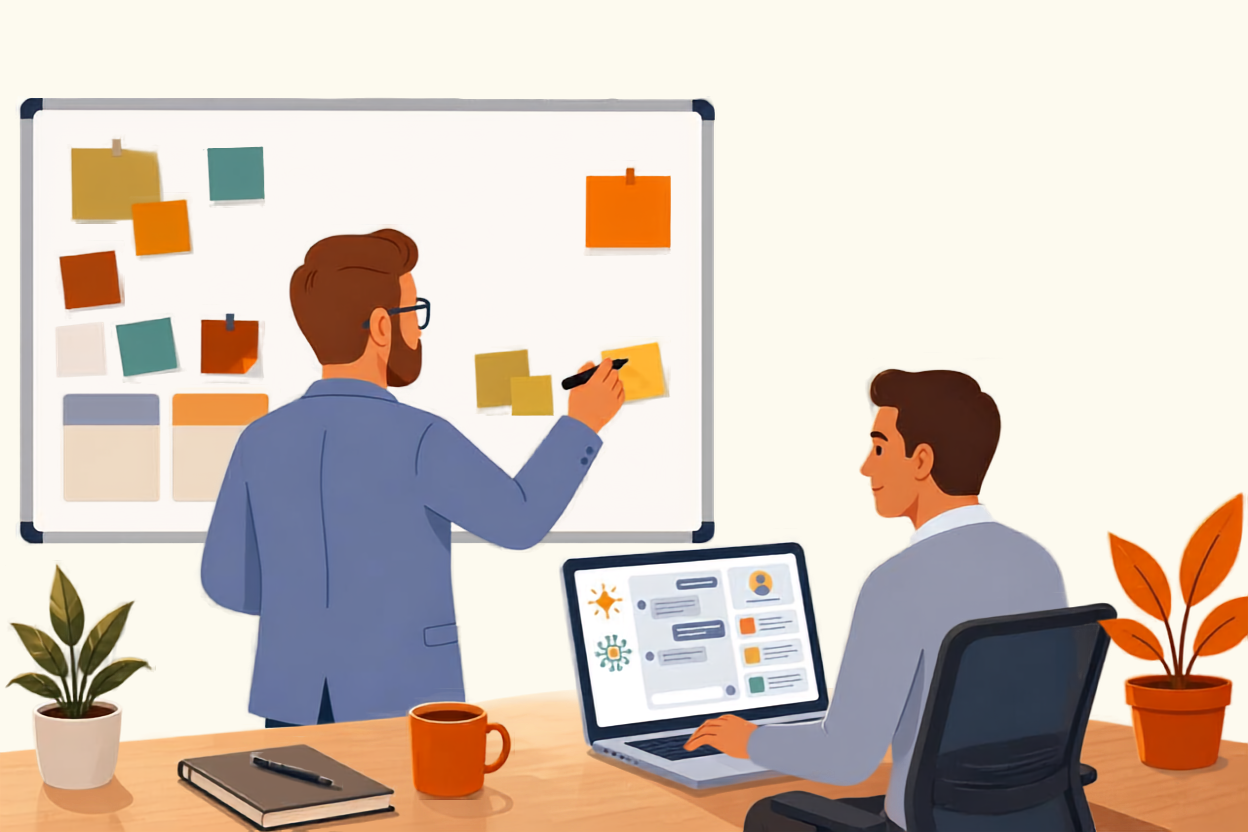
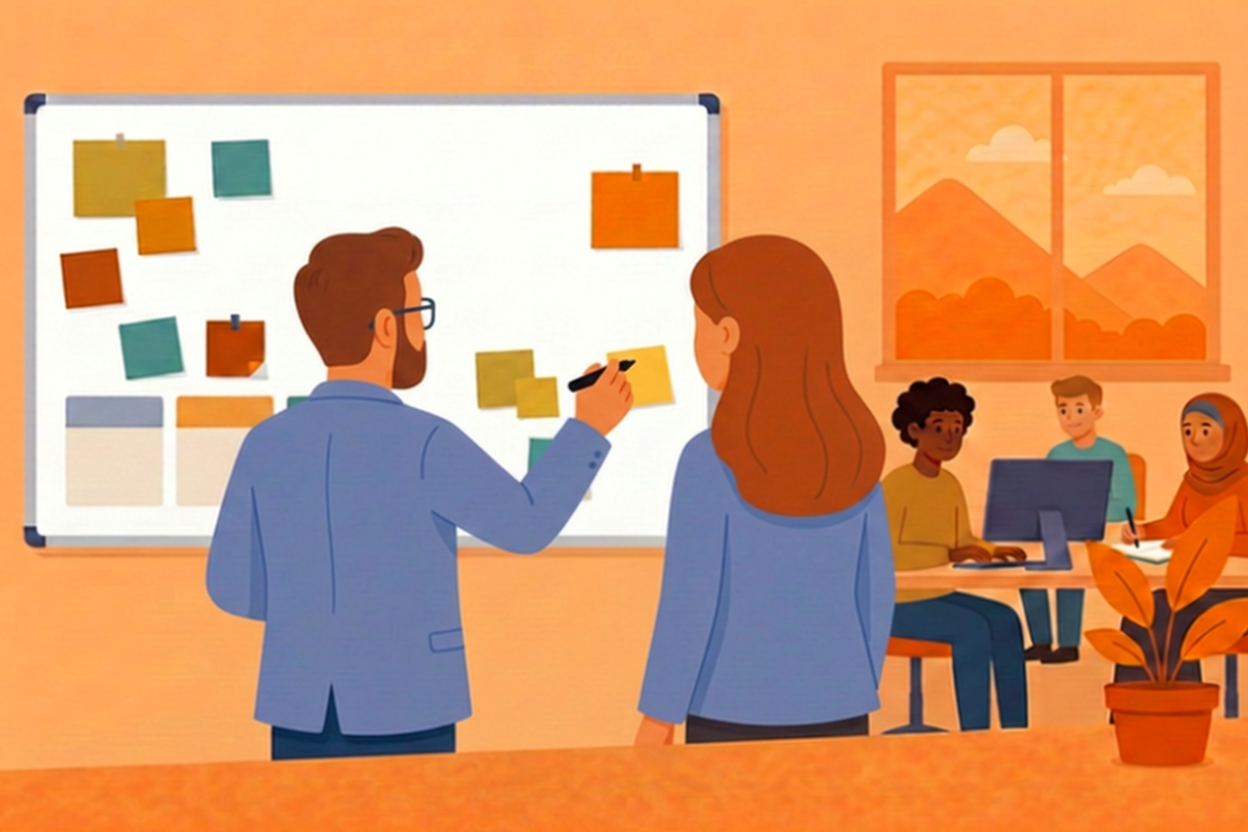
Process doesn't take care of itself. Research on strategy execution found that only 55% of middle managers could name even one of their company's top five priorities. That tells you that the strategy has little relevance to what they do on a daily basis.


Ask any CEO what they want more of, and the answer is rarely strategy, capital, or talent. It is consistency. Consistent execution. Consistent leadership. Consistent results, month after month, plant after plant, team after team. And almost nobody has it.
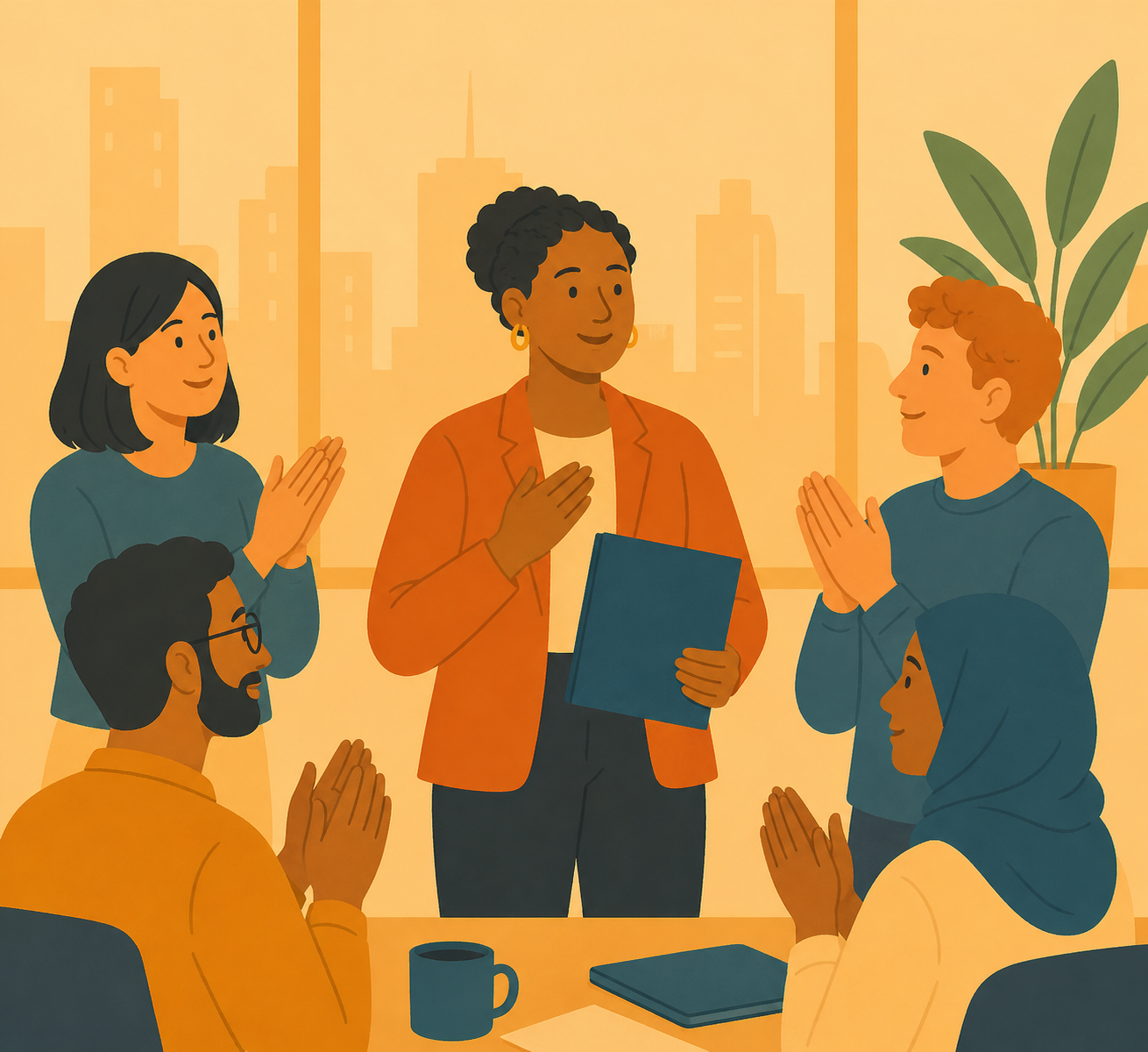
Most organizations are promoting people the same way they always have. For the longest time the ability to produce high quality output quickly and clearly were reliable signals of capability. They aren’t anymore.
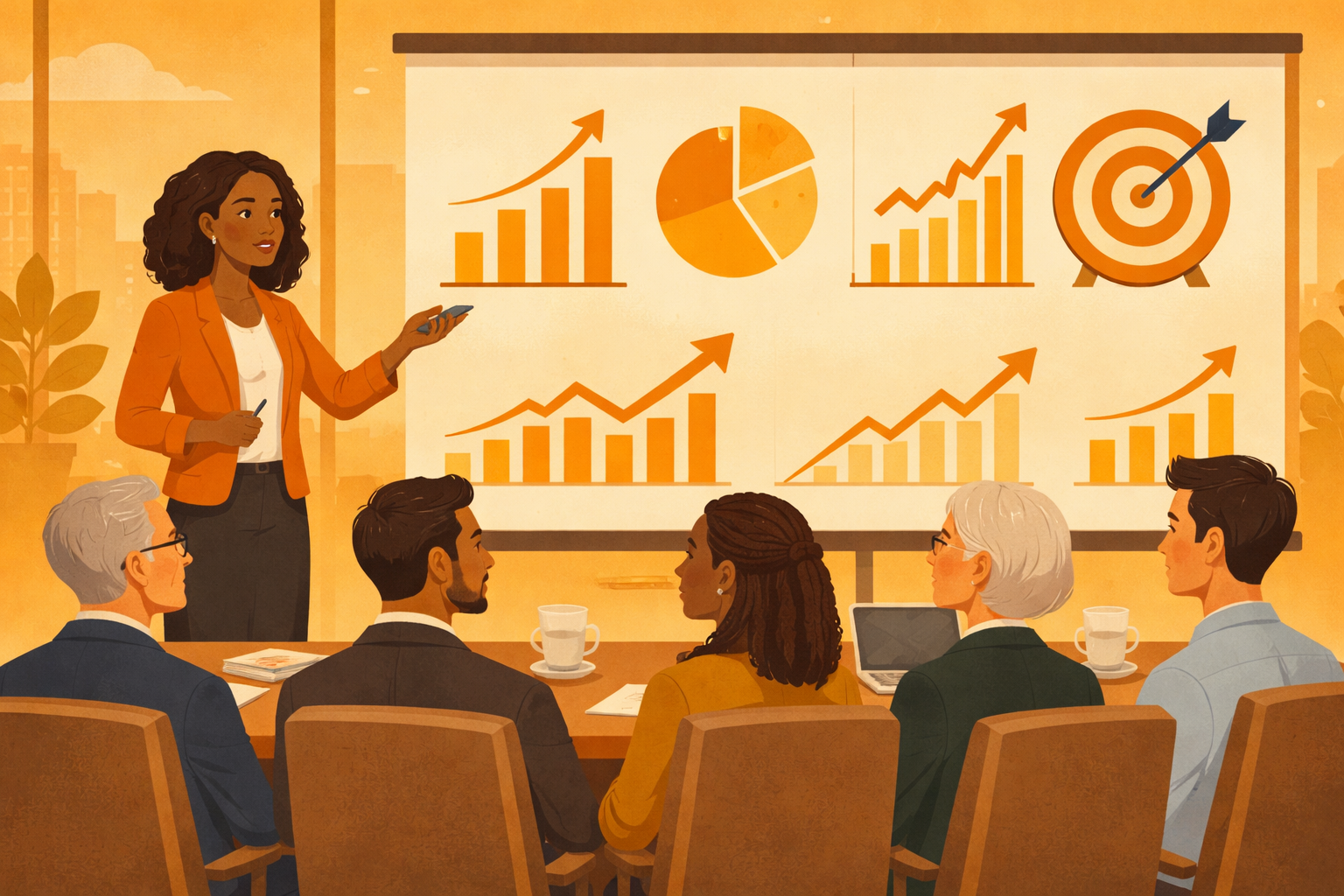
Operations leaders think about execution in terms of process and structure. That’s their lens, and it’s essential but not sufficient. A good People leader sees clearly what a COO senses: every manager in the organization is either a multiplier or a subtractor.

Gen Z is entering the workforce with a clear vision of what they want from their careers, and it’s not what previous generations have settled for. In this article, I explore how Gen Z’s values are reshaping work culture and dive into practical steps for organizations to adapt, ensuring they not only meet the demands of this new generation but thrive in a rapidly changing work environment.

AI is often painted as a threat to jobs, and in many cases it is. That’s bad news for knowledge roles that are mostly processing because the first and most powerful use of AI is “1000 interns,” able to automate months of research in minutes. But the other side of AI automating humans out of jobs is a lot more positive. However, that requires the deliberate deployment and development of HI – Human Intelligence.

Feeling overwhelmed is a natural response to uncertainty. There’s not much that can be done about the external sources of overwhelm, but there are some things you can do to reframe the environment for people, mainly around helping people see opportunity in change, and by giving them the tools to be more adaptable in uncertain times.

A lot of managers talk a good game about accountability. But few actually do it consistently. No one likes being the one who has to say: “We needed you to do this job, and you didn’t do it.” But avoiding accountability hurts your team more than that conversation ever will.

Gen Z and Millennials now represent a substantial portion of the global talent pool. Their perspectives on work, career progression and well-being are not the same as their predecessors. In this article I look at two important dimensions: how should managers adapt to these folk, and how should senior leaders lead and manage these people as they move into management?
It’s all well and good to talk about accountability. Setting goals, tracking progress, regular check-ins, these are things we should do to be clear about expectations and then hold people to account. We know it’s important, and we know what happens (or doesn’t happen) if you don’t have accountability.